
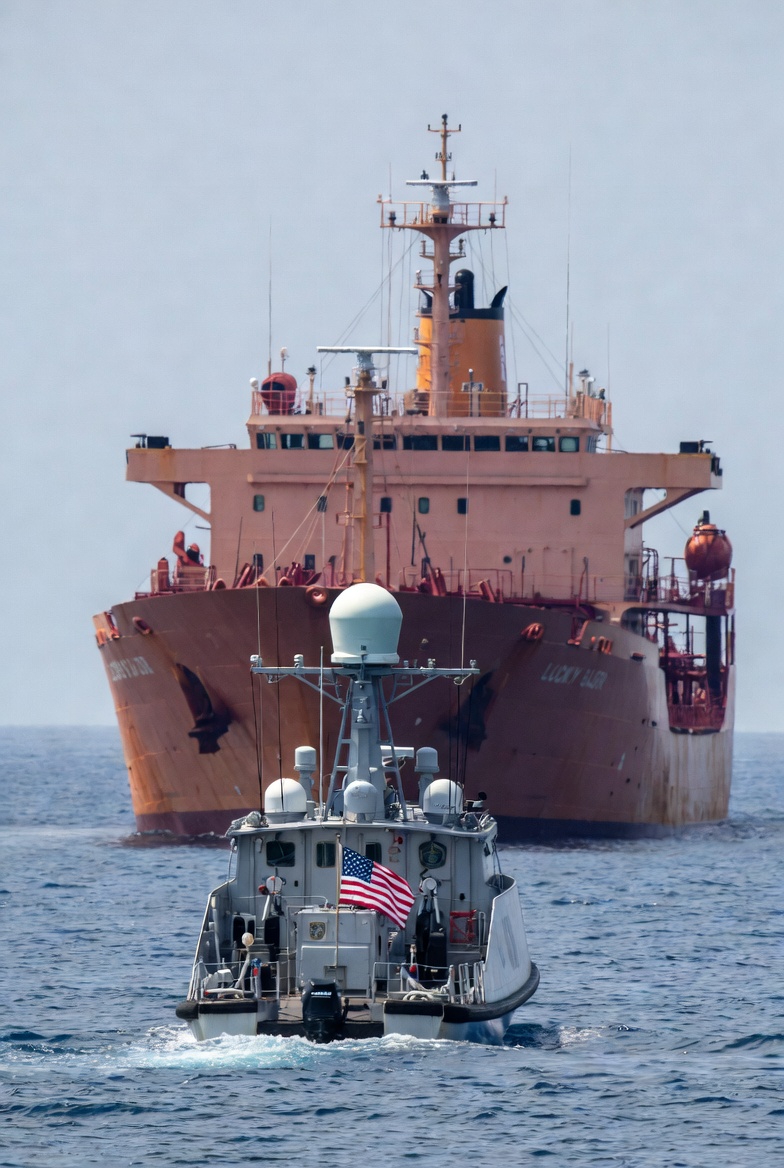
The maritime seizure by the US authorities has sparked significant interest globally, marking a critical move in enforcing sanctions and maintaining maritime security.
This action involves the seizure of a Russian-flagged tanker and a ship linked to Venezuela, raising tensions and having implications for international relations and global shipping.

US seizes Russian-flagged tanker and a second Venezuela-linked ship
The US government’s decision to seize these vessels is part of a broader strategy to enforce sanctions and ensure the security of global maritime routes.
Key Takeaways
- The seizure is a significant move in enforcing sanctions and maintaining maritime security.
- The action involves a Russian-flagged tanker and a Venezuela-linked ship.
- The move has raised tensions and has implications for global shipping.
- The US authorities are taking a strong stance on maritime enforcement.
- The seizure is part of a broader strategy to ensure global maritime security.
Recent Maritime Seizure Operations by US Authorities
In a series of bold moves, US authorities have seized vessels linked to Russia and Venezuela, underscoring the complex geopolitical dynamics at play in global maritime trade. These actions are part of a broader strategy to enforce international law and sanctions.
Timeline of the Seizure Events
The seizures occurred over several weeks, with the first incident reported on March 10th, followed by another on March 20th. The swift actions by US authorities highlight their commitment to enforcing maritime law.
Location and Circumstances of Interceptions
The interceptions took place in international waters, approximately 500 miles off the coast of the United States. The vessels were intercepted while attempting to evade US naval and coast guard patrols.
Initial US Coast Guard and Navy Actions
The US Coast Guard and Navy played crucial roles in the initial actions, with the Coast Guard providing boarding parties and the Navy offering escort and surveillance support.
Official Statements from US Government Agencies
The Department of Justice and State Department issued statements justifying the seizures under international law and US sanctions policies.
Department of Justice Announcements
The Department of Justice announced that the seizures were part of a coordinated effort to enforce sanctions against Russia and Venezuela.
State Department Justifications
The State Department justified the actions as necessary to uphold international law and protect national security interests.
| Agency | Role | Justification |
| US Coast Guard | Boarding and Inspection | Enforcement of Sanctions |
| US Navy | Escort and Surveillance | Support for Coast Guard Operations |
| Department of Justice | Legal Proceedings | Upholding International Law |
Details of the Russian-Flagged Tanker Seizure
The US seizure of a Russian-flagged tanker has brought attention to the vessel’s technical details and cargo. The operation, carried out by US authorities, has significant implications for international maritime law and geopolitical relations.
Vessel Specifications and History
The Russian-flagged tanker has a complex history that is crucial to understanding the seizure. Key aspects include its classification, technical details, ownership structure, and flag history.
Ship Classification and Technical Details
The vessel is classified as a large crude carrier with a gross tonnage of approximately 80,000 tons. Its technical specifications include a length of over 240 meters and a beam of around 40 meters.
Ownership Structure and Flag History
The ownership structure of the tanker is complex, with multiple layers of corporate entities involved. The vessel was previously flagged in Russia but has undergone changes in its flag registration.
Cargo and Crew Information
The cargo and crew details are critical components of the seizure. Understanding the nature of the transported goods and the nationality of the crew provides insights into the operation.
Nature of Transported Goods
The tanker was carrying crude oil worth millions of dollars. The specifics of the cargo, including its origin and destination, are under investigation.
Crew Nationality and Current Status
- The crew consists of individuals from various nationalities, primarily Russian.
- They are currently being held for questioning by US authorities.
The Venezuela-Linked Ship: Background and Seizure Details
Understanding the background and seizure details of the Venezuela-linked ship is crucial for grasping the broader geopolitical context. The complexities surrounding this vessel’s ownership, operational history, and the circumstances of its seizure provide valuable insights into the enforcement of international sanctions and maritime law.
Ship Ownership and Operational History
The Venezuela-linked ship’s ownership structure is complex, involving multiple corporate entities. Key aspects of its operational history include:
- Previous ownership under various shell companies
- Operational control through a network of international corporate entities
- History of transporting sanctioned goods
Corporate Structure Behind the Vessel
The corporate structure behind the vessel involves a multi-layered ownership arrangement, with entities registered in various jurisdictions. This complexity is designed to obscure the true ownership and control of the vessel.
Previous Shipping Routes and Activities
The ship has been involved in various shipping routes, often transporting oil and other commodities. Its activities have been monitored due to suspected violations of international sanctions.
Circumstances Leading to the Seizure
The seizure of the Venezuela-linked ship was the result of meticulous intelligence gathering and coordination among international authorities. Crucial factors included:
- Intelligence reports indicating the ship’s involvement in sanctioned activities
- Coordination with international partners to track the vessel’s movements
- Tactical planning for the seizure operation
Intelligence Leading to Interception
Intelligence agencies played a critical role in identifying the ship’s illicit activities and tracking its movements, providing real-time data that facilitated the seizure.
Tactical Execution of the Seizure
The seizure operation was carried out by a specialized task force, utilizing advanced maritime surveillance capabilities and strategic planning to intercept the vessel effectively.
Legal Basis for US Seizes Russian-Flagged Tanker and a Second Venezuela-Linked Ship
Understanding the legal basis for the recent seizure of vessels linked to Russia and Venezuela requires an examination of both international maritime law and US domestic sanctions policies.
International Maritime Law Provisions
The UN Convention on the Law of the Sea provides a critical framework for understanding jurisdictional questions in international waters. This convention is pivotal in governing the rights and responsibilities of nations in maritime territories.
UN Convention on the Law of the Sea Applications
The convention’s provisions are applied to determine the legal status of vessels and their cargo in international waters, influencing the legality of seizures.
Jurisdictional Questions in International Waters
Jurisdictional questions often arise when vessels are operated by one country but registered in another, complicating enforcement actions.
US Sanctions Framework Against Russia and Venezuela
The US has implemented a robust sanctions framework against both Russia and Venezuela, utilizing executive orders and Treasury Department designations to enforce these policies.
Executive Orders Authorizing Seizures
Executive orders play a crucial role in authorizing the seizure of vessels linked to sanctioned entities, providing the legal authority for such actions.
Treasury Department Designations and Enforcement
The Treasury Department’s Office of Foreign Assets Control (OFAC) designates entities subject to sanctions, directly impacting the legality of transactions involving these entities.
| Legal Framework | Key Components | Impact on Seizures |
| International Maritime Law | UN Convention on the Law of the Sea | Defines jurisdictional rights and responsibilities |
| US Sanctions | Executive Orders, Treasury Department Designations | Authorizes seizures of sanctioned vessels and cargo |
Russian Government’s Response to the Tanker Seizure
Russia has vehemently protested the US seizure of its flagged tanker, escalating tensions between the two nations. The Russian government has taken immediate action to address the situation through various diplomatic and official channels.
Official Statements from Moscow
The Kremlin has been vocal in its condemnation of the US action. Official statements have been released, highlighting the gravity of the situation.
Kremlin and Foreign Ministry Positions
The Kremlin has denounced the seizure as an infringement on international law, while the Foreign Ministry has summoned the US Ambassador to express its displeasure. This move underscores the seriousness with which Russia views the situation.
Russian Naval Command Reactions
The Russian Naval Command has issued a statement warning of potential consequences for US maritime operations. This response indicates a heightened state of alert within Russia’s naval forces.
Diplomatic Channels Being Utilized
In addition to official statements, Russia is actively engaging in diplomatic efforts to resolve the crisis. Various channels are being explored to address the seizure and mitigate its impact.
UN Security Council Discussions
The UN Security Council has become a key forum for discussions on the seizure. Russia is leveraging this platform to garner international support and pressure the US to reconsider its actions.
Bilateral Communications with Washington
Direct communications between Moscow and Washington are ongoing, with both sides engaging in tense negotiations. These bilateral talks aim to find a resolution that satisfies both parties.
Venezuela’s Reaction and Diplomatic Efforts
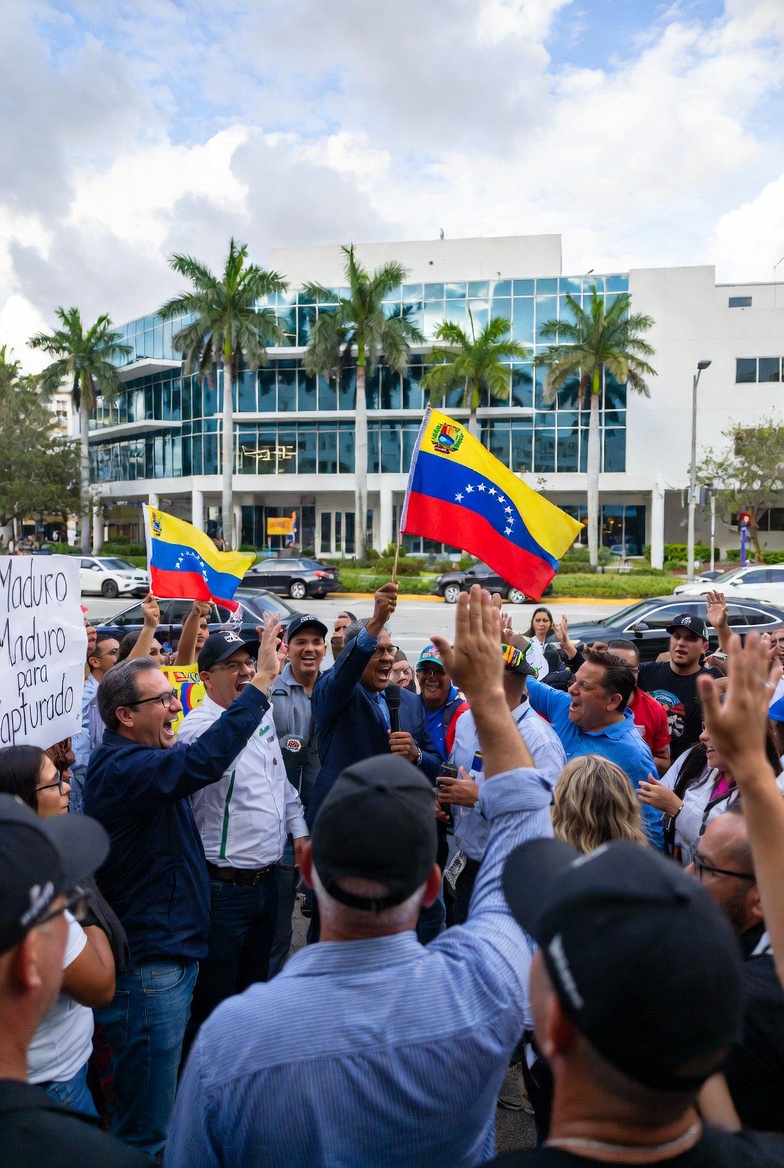
The Venezuelan government has issued a strong response to the US seizure of the Venezuela-linked ship, condemning the action as an infringement on sovereignty. This reaction sets the stage for a deeper analysis of the diplomatic efforts and regional dynamics at play.
Caracas Government Statements
The Caracas government has been vocal in its opposition to the US action. Official statements have highlighted the government’s concerns regarding the implications of this seizure.
Presidential and Foreign Ministry Declarations
The President of Venezuela and the Foreign Ministry have issued declarations strongly condemning the US seizure. They have framed this incident as a clear violation of international law and Venezuela’s sovereignty.
Economic Impact Claims
The Venezuelan government has also claimed that the seizure will have significant economic impacts, both for Venezuela and for regional trade. They argue that such actions destabilize the economy and affect the livelihoods of Venezuelan citizens.
Regional Support for Venezuela’s Position
Regional support has been forthcoming for Venezuela’s position, with various nations and organizations expressing solidarity.
ALBA Nations’ Solidarity
The ALBA (Bolivarian Alliance for the Peoples of Our America) nations have expressed solidarity with Venezuela, condemning the US action as an attempt to exert undue pressure on the region.
Latin American Diplomatic Responses
Other Latin American countries have responded diplomatically, with some expressing concern over the US seizure and its potential implications for regional stability.

Venezuela’s reaction to US seizure
| Country | Response to Seizure | Diplomatic Action |
| Venezuela | Strong condemnation | Diplomatic protests |
| ALBA Nations | Solidarity with Venezuela | Joint statement |
| Latin American Countries | Concern and caution | Diplomatic consultations |
Historical Context: Previous US Naval Interdictions
The history of US naval interdictions provides valuable context for understanding the recent seizures of Russian and Venezuelan vessels. These actions are part of a broader narrative of maritime enforcement that has evolved over decades.
To understand the significance of these recent events, it’s essential to examine previous cases involving Russian vessels and Venezuela-linked shipping. The US has a history of assertive maritime law enforcement, particularly during periods of heightened geopolitical tension.
Similar Cases Involving Russian Vessels
The US has previously intercepted Russian vessels, especially during the Cold War era. These incidents often involved allegations of espionage or violations of international maritime law.
Cold War Era Precedents
During the Cold War, the US and Soviet Union engaged in a series of maritime confrontations. Notable incidents included the detention of Soviet ships suspected of espionage or violating US territorial waters. As Admiral James Watkins, former Chief of Naval Operations, noted, “The maritime dimension of the Cold War was characterized by a cat-and-mouse game between the US and Soviet navies.”
Post-Soviet Maritime Confrontations
In the post-Soviet era, tensions have continued, albeit in different forms. The US has maintained its commitment to enforcing international maritime law, sometimes leading to confrontations with Russian vessels. For instance, in 2019, the US detained a Russian-flagged vessel for violating US sanctions.
Past Actions Against Venezuela-Linked Shipping
The US has also taken action against Venezuela-linked shipping, particularly in the context of sanctions enforcement.
Sanctions Enforcement Operations
The US has conducted numerous operations to enforce sanctions against Venezuelan shipping. These actions have targeted vessels suspected of violating US or international law.
“The US is committed to enforcing its sanctions regime, including against those who facilitate illicit activities through maritime trade,”
stated a senior US Treasury official.
Legal Outcomes of Previous Seizures
Previous seizures of Venezuelan-linked vessels have resulted in significant legal outcomes, including fines and forfeitures. These actions demonstrate the US’s resolve to enforce its sanctions regime.
Geopolitical Implications of the Dual Seizures
The recent dual seizures of a Russian-flagged tanker and a Venezuela-linked ship by US authorities have significant geopolitical implications. These actions are not only a reflection of the current state of international relations but also have the potential to alter the dynamics between the US and the involved nations.
Impact on US-Russia Relations
The seizure of the Russian-flagged tanker is likely to strain US-Russia relations further. The incident may be perceived as an aggressive move by the US, potentially leading to retaliatory actions from Russia.
Escalation Risks in Bilateral Tensions
The escalation risks are considerable, with potential repercussions in various areas, including trade and security. The situation could lead to increased military presence in critical regions.
Effects on Other Cooperation Areas
Beyond the immediate bilateral tensions, the seizure may impact other areas of cooperation between the US and Russia, such as counter-terrorism efforts and nuclear disarmament negotiations.
Consequences for US-Venezuela Dynamics
The seizure of the Venezuela-linked ship also has significant implications for US-Venezuela relations. This move could either strengthen the US stance against Venezuela or complicate diplomatic efforts.
Implications for Diplomatic Negotiations
The action may complicate ongoing or future diplomatic negotiations between the US and Venezuela, potentially hardening positions on both sides.
Effects on Venezuelan Political Landscape
Internally, the seizure could influence the political landscape in Venezuela, potentially affecting the government’s popularity and the opposition’s strategy.
| Aspect | US-Russia Relations | US-Venezuela Dynamics |
| Immediate Impact | Strained relations, potential retaliation | Complicated diplomatic efforts |
| Long-term Effects | Escalation in bilateral tensions, impact on cooperation areas | Hardened positions, internal political shifts |
Economic Ramifications of the Maritime Seizures
The US seizure of a Russian-flagged tanker and a Venezuela-linked ship has sent shockwaves through global shipping and oil markets. This action has far-reaching economic implications, affecting various aspects of international trade and commerce.
Effects on Global Shipping and Insurance
The seizures have led to increased scrutiny and risk assessment in global shipping. Insurance premiums for certain routes are likely to rise.
Risk Premium Increases for Certain Routes
Shipping companies operating in sensitive regions may face higher insurance costs, potentially increasing overall operational expenses.
Shipping Company Operational Adjustments
In response to the increased risks, shipping companies may adjust their routes and operational strategies to mitigate potential losses.
Impact on Oil Markets and Prices
The seizures have also impacted oil markets, leading to fluctuations in oil prices.
Short-term Price Fluctuations
Market volatility has resulted in short-term price fluctuations, affecting both consumers and producers.
Long-term Supply Chain Adaptations
In the long term, the seizures may lead to adaptations in supply chains, potentially altering the way oil is transported and traded globally.

economic ramifications of maritime seizures
| Economic Impact | Short-term Effects | Long-term Effects |
| Global Shipping | Increased insurance premiums | Operational adjustments |
| Oil Markets | Price fluctuations | Supply chain adaptations |
Military and Strategic Considerations
The dual seizure operation underscores the complex military considerations at play in international waters. This development has triggered a series of strategic responses from the involved parties.
Naval Force Posturing in Response
In response to the seizures, there has been a notable adjustment in naval force posturing. This includes movements by both the US and Russian naval forces.
Russian Fleet Movements in Key Waters
Russian naval units have been redeployed to key strategic locations, potentially as a show of force and to protect Russian maritime interests.
US Naval Deployment Adjustments
The US has also made adjustments to its naval deployments, ensuring a robust presence in the region to counter potential Russian or Venezuelan responses.
Security Implications in International Waters
The seizures have significant security implications for international waters, raising concerns about the freedom of navigation and potential escalation.
Freedom of Navigation Concerns
The actions by the US have sparked debates about the freedom of navigation in international waters, a principle that is fundamental to global maritime law.
Potential for Escort Protocols Development
There is a growing discussion about the need for escort protocols to ensure the safe passage of vessels through sensitive regions, potentially altering the dynamics of naval operations.
Expert Analysis and International Reactions
The recent seizures of a Russian-flagged tanker and a Venezuela-linked ship have sparked intense debate among maritime law experts worldwide. This development has significant implications for international maritime law and global shipping dynamics.
Maritime Law Experts’ Perspectives
Maritime law experts are providing insights into the legal complexities surrounding the seizures. They are examining the legal precedents and potential court challenges that may arise from these actions.
Legal Precedents and Potential Court Challenges
Experts are analyzing previous cases involving maritime seizures to predict potential legal outcomes. The seizures may set new precedents in international maritime law, particularly regarding enforcement jurisdiction.
Enforcement Jurisdiction Debates
Debates are ongoing about the extent of US jurisdiction in international waters. The seizures have raised questions about the limits of national authority in enforcing maritime law.
Responses from International Organizations
International organizations have responded to the seizures, offering their perspectives on the implications for global maritime security.
United Nations Statements
The United Nations has issued statements calling for calm and urging respect for international law. The organization is closely monitoring the situation and its potential impact on global shipping.
International Maritime Organization Position
The International Maritime Organization (IMO) has expressed concerns about the potential consequences of the seizures on international maritime trade. The IMO is working to ensure that shipping lanes remain safe and secure.
| Organization | Response | Key Concerns |
| United Nations | Calls for calm, respect for international law | Global shipping impact, legal implications |
| International Maritime Organization | Concerns about maritime trade consequences | Shipping lane security, trade disruptions |
Conclusion: Future Implications for International Maritime Security
The seizures of the Russian-flagged tanker and the Venezuela-linked ship by US authorities have significant future implications for international maritime security. These actions reflect a broader strategy to enforce sanctions and maintain maritime order, setting a precedent for future operations.
As the global shipping landscape continues to evolve, understanding the future implications of these seizures is crucial for stakeholders in the maritime industry and policymakers. The enforcement of sanctions through maritime interdictions underscores the complexities of international maritime security in a geopolitically charged environment.
The incidents highlight the need for continued vigilance and cooperation among nations to address emerging challenges in maritime security. Ensuring the free flow of commerce while enforcing international law will remain a critical task for governments and international organizations.
As the situation continues to unfold, the international maritime security framework will likely adapt to address new challenges, reinforcing the importance of a coordinated and effective response to threats against maritime order.
FAQ
What prompted the US to seize the Russian-flagged tanker and the Venezuela-linked ship?
The US government took this action as part of its efforts to enforce sanctions and maintain maritime security, reflecting a broader strategy to address violations and maintain order in international waters.
What are the implications of the seizure for US-Russia relations?
The seizure has raised tensions between the US and Russia, potentially escalating bilateral tensions and affecting other areas of cooperation between the two nations.
How might the seizures impact global shipping and insurance?
The seizures could lead to increased risk premiums for certain shipping routes, prompting operational adjustments by shipping companies and potentially affecting the global shipping industry.
What is the legal basis for the US seizure of the vessels?
The US action is grounded in international maritime law and US sanctions policies, including provisions under the UN Convention on the Law of the Sea and executive orders authorizing seizures.
How has Venezuela reacted to the seizure of the Venezuela-linked ship?
Venezuela has strongly condemned the US action, with the Caracas government issuing statements and claiming economic impact, while also receiving support from regional allies.
What are the potential economic ramifications of the maritime seizures?
The seizures may lead to short-term price fluctuations in oil markets and long-term adaptations in supply chains, affecting the global economy.
How might the seizures affect the global oil market?
The seizures could impact oil prices and supply chains, potentially leading to market volatility and adjustments in how oil is transported and traded globally.
What is the significance of the seizures in terms of international maritime security?
The seizures reflect a broader effort to enforce maritime security and sanctions, potentially setting precedents for future actions and impacting how nations navigate international waters.
How have international organizations responded to the seizures?
Organizations such as the United Nations and the International Maritime Organization have issued statements in response to the seizures, highlighting the global implications of these actions.
What are the potential military and strategic implications of the seizures?
The seizures may lead to adjustments in naval force posturing, with potential implications for freedom of navigation and the development of escort protocols in international waters.


Leave a Reply