
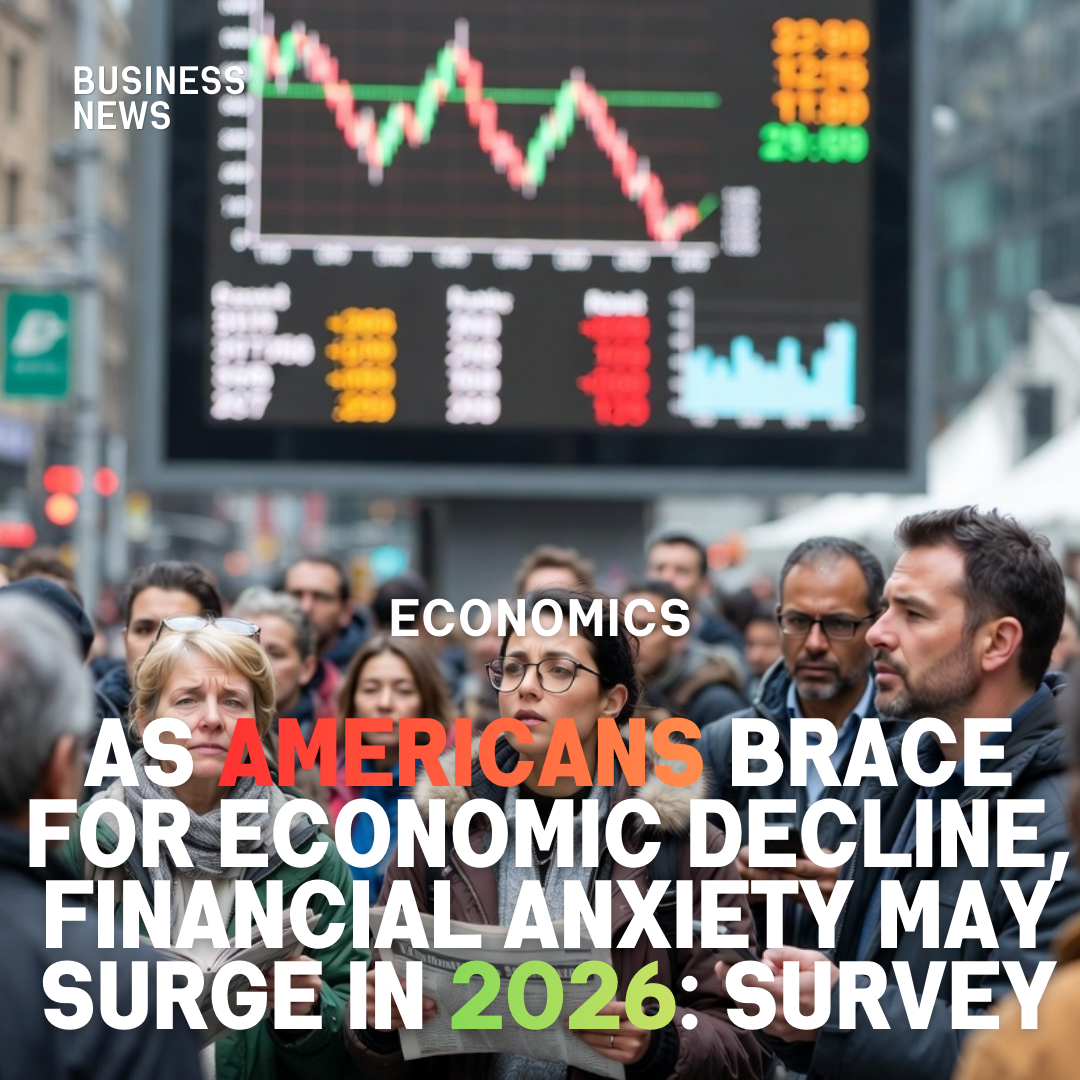
The prospect of an economic downturn is causing concern among citizens, with a recent survey highlighting a potential surge in financial anxiety. As the US economy faces uncertainty, understanding the economic forecast has become crucial for individuals and businesses alike.
The survey’s findings underscore the need for a closer examination of the factors contributing to financial anxiety and the potential implications for the broader economy. With the US economy at a critical juncture, staying informed about the economic forecast is more important than ever.
Key Takeaways
- The US economy is facing a potential downturn, sparking concerns about financial anxiety.
- A recent survey highlights the growing unease among citizens regarding their financial stability.
- Understanding the economic forecast is crucial for navigating the uncertain economic landscape.
- The impact of financial anxiety on individuals and businesses could be significant.
- Staying informed about the US economy and economic forecast can help mitigate potential risks.
The Looming Economic Storm: Survey Findings
The survey findings reveal a concerning outlook for the US economy in 2026, with potential implications for financial stability. As Americans prepare for the future, understanding the survey’s key predictions and the methodology behind them is crucial.
Key Predictions for 2026
The survey highlights several key predictions for 2026, including a potential increase in financial anxiety among Americans. The data suggests that 45% of respondents are likely to experience financial stress due to economic uncertainty.
| Prediction | Percentage of Respondents |
| Financial Stress | 45% |
| Economic Downturn | 32% |
| Job Insecurity | 23% |
Methodology and Credibility of the Research
The survey was conducted among a diverse group of 1,500 Americans, ensuring a representative sample of the population. The research methodology involved a combination of online and offline data collection techniques to ensure credibility and reliability.
The survey’s findings are based on a robust analysis of the data, with a margin of error of ±3%. This level of credibility underscores the significance of the survey’s predictions for 2026.
Current Economic Landscape in the United States
As we navigate the current economic landscape in the United States, several warning signs are becoming apparent. The economy is a complex system with various indicators that can signal potential downturns or upswings. Understanding these indicators is crucial for predicting future economic trends.
Leading Economic Indicators Showing Warning Signs
The leading economic indicators that are currently showing warning signs include a decline in housing starts, an increase in unemployment claims, and a slowdown in GDP growth. These indicators have historically been reliable predictors of economic downturns. For instance, a decline in housing starts can signal a reduction in consumer spending and investment, which can have a ripple effect throughout the economy.
According to recent data, the US economy is experiencing a mix of these warning signs.
“The current economic expansion is showing signs of slowing down, with some indicators pointing to a potential recession in the near future,”
said a leading economist.
Comparison to Pre-Recession Periods
Comparing the current economic landscape to pre-recession periods reveals some striking similarities. Historically, periods leading up to a recession have been marked by similar warning signs, such as rising debt levels and decreasing consumer confidence. For example, during the 2008 financial crisis, housing market bubbles and excessive borrowing were key factors that led to the downturn.
The current economic situation shares some of these characteristics, with rising household debt and a potential slowdown in consumer spending. Monitoring these indicators closely will be crucial for understanding the potential risks and taking proactive measures.
As Americans Brace for Economic Decline, Financial Anxiety May Surge in 2026
The looming threat of economic decline in 2026 is set to significantly impact American households, potentially leading to a surge in financial anxiety. As the nation prepares for the possibility of an economic downturn, understanding the nuances of financial anxiety and its demographic variations becomes crucial.
Measuring Financial Anxiety in American Households
Financial anxiety can be measured through various indicators, including household debt levels, savings rates, and consumer confidence indexes. By analyzing these metrics, researchers can gain insights into the financial stress experienced by American households. For instance, a high debt-to-income ratio or declining savings rates can signal increased financial anxiety.
Projected Anxiety Levels Across Demographics
Financial anxiety is not uniform across different demographics. Factors such as age, income level, and geographic location play a significant role in determining an individual’s or household’s financial stress levels.
Urban vs. Rural Financial Concerns
The financial concerns of urban and rural populations can differ significantly due to variations in cost of living, employment opportunities, and access to financial resources. Generally, urban areas tend to have a higher cost of living, which can contribute to increased financial anxiety. In contrast, rural areas may face challenges related to limited job opportunities and lower average incomes.
Income-Based Anxiety Projections
Income level is a critical factor in determining financial anxiety. Households with lower incomes are more likely to experience financial stress due to limited financial buffers. Projections suggest that lower-income households will face heightened financial anxiety in 2026, as they struggle to cope with rising living costs and stagnant wages.
Understanding these demographic variations is essential for developing targeted strategies to mitigate financial anxiety. By recognizing the specific challenges faced by different groups, policymakers and financial advisors can provide more effective support.
Root Causes of the Anticipated Economic Downturn
Economic experts point to a combination of domestic and global factors as the root cause of the anticipated economic downturn. Understanding these factors is crucial for preparing for the potential challenges ahead.
Domestic Economic Factors
The domestic economy is facing several challenges that could contribute to the economic downturn. Two significant areas of concern are the housing market and consumer debt levels.
Housing Market Vulnerabilities
The housing market is showing signs of vulnerability, with increasing mortgage rates and declining housing affordability. This could lead to a decrease in housing prices, affecting the overall economy.
Consumer Debt Levels
Consumer debt has been rising, with many households struggling with high credit card balances and personal loan debt. This increased debt burden could lead to reduced consumer spending, further exacerbating the economic downturn.
Global Economic Influences
In addition to domestic factors, global economic influences are also playing a significant role in the anticipated economic downturn. Key factors include international trade tensions and supply chain resilience.
International Trade Tensions
Ongoing trade tensions between major economies are causing uncertainty and disrupting global trade. This could lead to increased costs for businesses and reduced economic growth.
Supply Chain Resilience
Global supply chains are facing challenges due to geopolitical instability and logistical disruptions. Ensuring supply chain resilience is crucial for maintaining economic stability.
Historical Context: Lessons from Past Economic Crises
As the United States braces for potential economic decline, understanding the historical context of past economic crises becomes crucial. The country has experienced numerous financial downturns, each offering valuable lessons on resilience and recovery.
Parallels to the 2008 Financial Crisis
The 2008 financial crisis is a significant reference point for understanding the potential impacts of an economic downturn. Subprime mortgage lending and excessive financial leverage were key factors leading to the crisis. Today, similar concerns revolve around inflation rates, employment figures, and global trade tensions.
By examining the causes and consequences of the 2008 crisis, economists can identify potential parallels with the current economic situation, helping to inform predictive models and policy decisions.
Recovery Patterns from Previous Downturns
Historical data show that economic recoveries can follow various patterns, influenced by factors such as government intervention, technological innovation, and global economic conditions. For instance, the recovery following the 2008 crisis was characterized by slow but steady growth, supported by monetary policy and fiscal stimulus.
Understanding these patterns can help policymakers and individuals prepare for potential future economic scenarios, mitigating the impact of a downturn and capitalizing on opportunities for growth.
Most Vulnerable Demographics to Financial Stress
As the economic landscape continues to evolve, certain demographics are emerging as particularly vulnerable to financial stress. The anticipated economic decline in 2026 is expected to exacerbate existing financial vulnerabilities, making it essential to understand which groups are most at risk.
Generational Differences in Financial Resilience
Different generations face unique financial challenges that affect their resilience to economic stress. Understanding these generational differences is crucial for identifying the most vulnerable demographics.
Millennials and Gen Z Economic Outlook
Millennials and Gen Z are likely to be disproportionately affected by the economic downturn due to factors such as student loan debt, changing job markets, and evolving consumer behaviors. Their financial resilience is tested by the need to adapt to new economic realities.
Baby Boomers’ Retirement Security Concerns
Baby Boomers, on the other hand, face challenges related to retirement security. As they transition into retirement, they must navigate the impact of economic fluctuations on their savings and pension plans, making their financial security a significant concern.
Socioeconomic Factors in Financial Vulnerability
Socioeconomic factors play a significant role in determining financial vulnerability. Income level, education, and access to resources are critical in assessing an individual’s or group’s ability to withstand financial stress.
| Demographic | Key Financial Challenges | Vulnerability Level |
| Millennials and Gen Z | Student loan debt, job market instability | High |
| Baby Boomers | Retirement savings, pension plan stability | Moderate |
| Low-income households | Limited financial buffers, high living expenses | Very High |
Psychological Impact of Economic Uncertainty
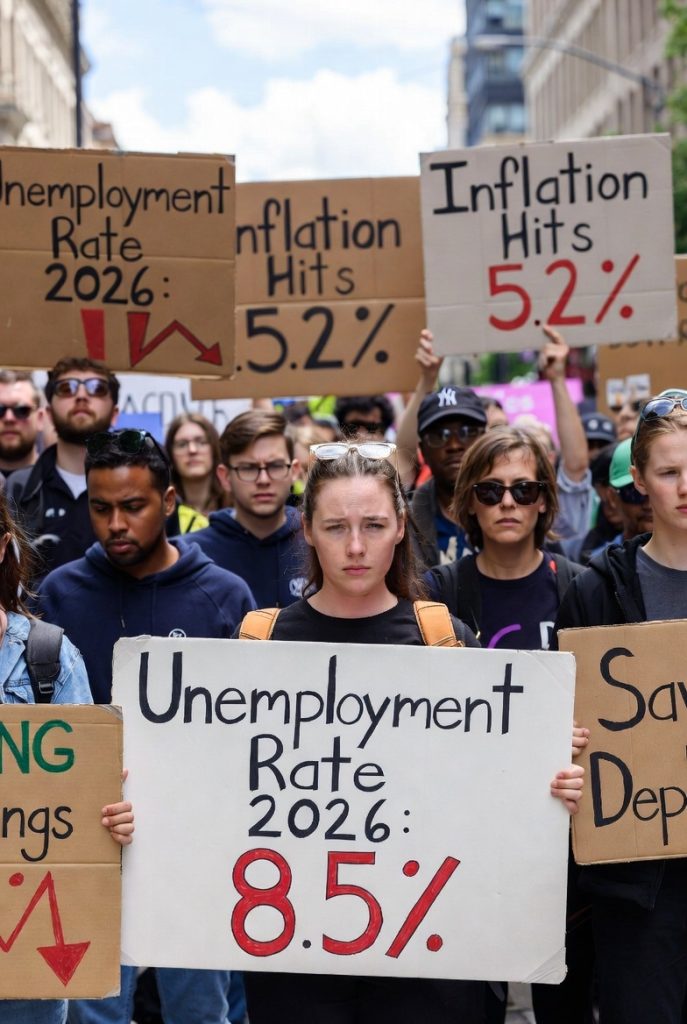
Economic instability can have far-reaching effects beyond the financial realm, impacting mental wellbeing. As the prospect of economic decline becomes more pronounced, individuals are likely to experience heightened levels of stress and anxiety.
Mental Health Consequences of Financial Stress
Financial stress can lead to a range of mental health issues, including anxiety disorders and depression. The pressure to meet financial obligations can be overwhelming, causing significant distress. Studies have shown that economic hardship is closely linked to deteriorating mental health.
Effective Coping Mechanisms and Support Systems
To mitigate the psychological impact of economic uncertainty, individuals can employ various coping strategies. Financial planning and budgeting can provide a sense of control over one’s financial situation. Additionally, seeking support from mental health professionals or joining support groups can be beneficial. Building a strong support network is crucial for navigating economic hardship.
By understanding the psychological impact of economic uncertainty and implementing effective coping mechanisms, individuals can better navigate these challenging times.
Preparing for Potential Economic Hardship
As the economy faces potential downturns, individuals can take steps to enhance their financial resilience. Preparing for economic hardship involves strategic financial planning and building economic resilience through diversification.
Strategic Financial Planning for Different Income Levels
Effective financial planning is crucial for individuals across various income levels. It involves creating a budget, prioritizing expenses, and making smart investment decisions.
Emergency Fund Development
Building an emergency fund is a critical component of financial planning. It is recommended to save at least 3-6 months’ worth of living expenses in a readily accessible savings account.
Debt Management Strategies
Managing debt effectively is another key aspect of financial planning. This can be achieved by consolidating high-interest loans, negotiating lower interest rates, and adopting a debt repayment plan.
Building Economic Resilience Through Diversification
Diversification is a vital strategy for building economic resilience. It involves spreading investments across different asset classes and developing skills that can enhance career flexibility.
Investment Considerations for Uncertain Times
During economic uncertainty, it’s essential to consider investments that are less correlated with market volatility. This can include assets like gold, bonds, or dividend-paying stocks.
Skill Development for Career Flexibility
Investing in skill development can enhance career flexibility and improve job security. This can involve acquiring new skills or certifications that are in demand in the job market.
By adopting these strategies, individuals can better prepare for potential economic hardship and enhance their financial resilience. It’s also useful to consider the following key strategies:
- Create a comprehensive financial plan
- Diversify investments to manage risk
- Develop multiple income streams
- Build an emergency fund
- Invest in skill development for career flexibility
Policy Implications and Potential Government Responses
The anticipated economic decline in 2026 has significant policy implications that require immediate attention from government officials. As the economic landscape continues to shift, policymakers must consider a range of strategies to mitigate the potential downturn.
Preventative Economic Policies Under Consideration
Preventative economic policies are being considered to address the looming economic challenges. These include monetary policy adjustments and fiscal stimulus packages designed to stabilize the economy. According to experts, “a proactive approach to economic policy can significantly reduce the impact of a downturn.”
“The key to mitigating economic decline lies in swift and decisive policy action,” said a leading economist.
Safety Net Programs and Their Projected Effectiveness
Safety net programs are also being evaluated for their potential to support individuals and businesses during the economic downturn. These programs include unemployment benefits, small business loans, and food assistance programs. By providing a financial safety net, these programs can help mitigate the impact of economic hardship on vulnerable populations.
The effectiveness of these programs will depend on their design and implementation. As one official noted, “A well-designed safety net can be a crucial factor in supporting economic recovery.” Effective safety net programs can help reduce financial anxiety and support economic stability.
Conclusion: Navigating an Uncertain Economic Future
As the United States braces for potential economic decline, understanding the complexities of the looming economic storm is crucial. The survey findings indicate a surge in financial anxiety among Americans, with various demographics facing different levels of vulnerability.
Navigating this uncertainty requires a proactive approach. By understanding the root causes of the anticipated economic downturn and learning from past economic crises, individuals and policymakers can develop effective strategies to mitigate the impact.
Preparing for potential economic hardship involves strategic financial planning, building economic resilience through diversification, and leveraging safety net programs. As the economic future unfolds, it is essential to remain informed and adaptable, ensuring a more stable financial outlook.
By being prepared and proactive, Americans can better navigate the challenges of an uncertain economic future.
FAQ
What is the main cause of the anticipated economic decline in the US?
The main cause is attributed to a combination of domestic economic factors, including housing market vulnerabilities and high consumer debt levels, as well as global economic influences such as international trade tensions and supply chain disruptions.
How will the economic decline affect financial anxiety among Americans?
As the economic decline approaches, financial anxiety is expected to surge among Americans, with varying levels of anxiety projected across different demographics, including urban vs. rural areas and different income levels.
What are the most vulnerable demographics to financial stress?
The most vulnerable demographics include certain generations, such as Millennials and Gen Z, who may face economic outlook challenges, and Baby Boomers, who may have retirement security concerns, as well as individuals with lower socioeconomic status.
What are some effective coping mechanisms for managing financial stress?
Effective coping mechanisms include developing emergency funds, implementing debt management strategies, and building economic resilience through diversification, such as investment considerations and skill development for career flexibility.
What policy responses are being considered to mitigate the economic downturn?
Preventative economic policies and safety net programs are being considered to mitigate the economic downturn, with their projected effectiveness being closely monitored.
How can individuals prepare for potential economic hardship?
Individuals can prepare by engaging in strategic financial planning, building emergency funds, managing debt, and developing skills for career flexibility, ultimately building economic resilience.As Americans brace for economic decline, financial anxiety may surge in 2026: Survey