
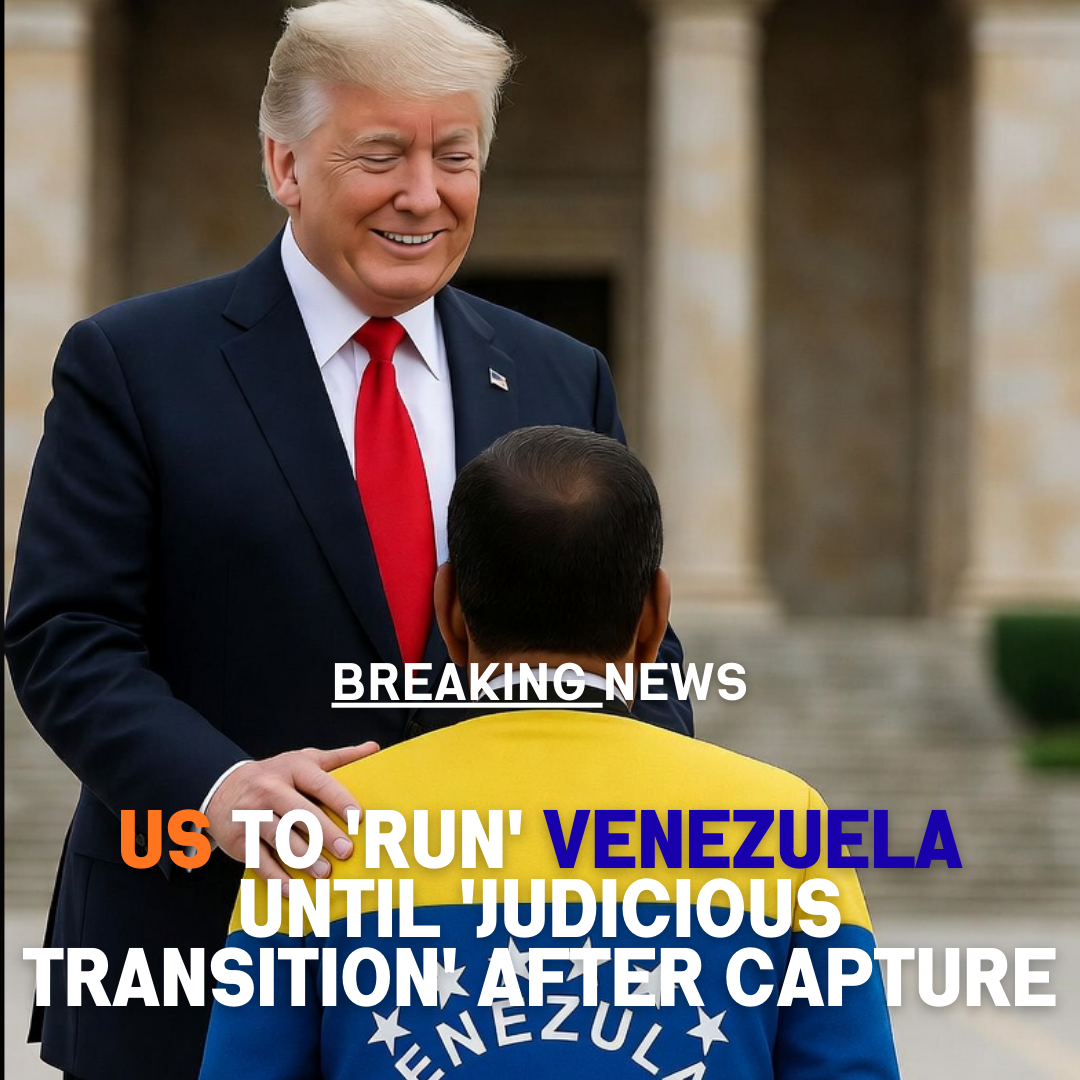
The Venezuelan crisis has taken a significant turn as Nicolás Maduro is brought to the US to face serious charges. This development marks a crucial step in addressing the ongoing turmoil in Venezuela.
US President Donald Trump has vowed to take decisive action against Venezuela, signaling a potential escalation in the diplomatic standoff. The situation remains fluid, with many awaiting the outcome of these developments.
Key Takeaways
- The Venezuelan leader faces serious charges in the US.
- Trump has pledged to take action against Venezuela.
- The crisis in Venezuela continues to unfold.
- The US is taking a firm stance on the Venezuelan situation.
- Diplomatic tensions between the US and Venezuela are escalating.
The Unprecedented Arrest: How Maduro Was Brought to US Soil
The capture of Maduro is a culmination of a long and intricate operation involving multiple agencies. This operation was years in the making, requiring meticulous planning and coordination.
Timeline of the Capture Operation
Intelligence Gathering Phase
The operation began with an extensive intelligence gathering phase, where various US agencies collected data on Maduro’s movements and security details. This phase was crucial in identifying vulnerabilities in his security apparatus.
Execution of the Arrest
The actual arrest was executed with precision, involving a coordinated effort between US law enforcement and international partners. The details of this phase remain classified, but it’s known that it involved advanced surveillance techniques and strategic planning.
Agencies and Countries Involved in the Operation
US Intelligence Coordination
US intelligence agencies played a pivotal role in the operation, coordinating efforts across different departments and with international partners. The CIA and DEA were instrumental in gathering intelligence and planning the operation.
International Cooperation Elements
The success of the operation was largely due to international cooperation. Countries in Latin America and Europe provided critical support, sharing intelligence and resources. This cooperation was a testament to the global consensus on the need to address Maduro’s alleged criminal activities.
| Agency/Country | Role in Operation |
| CIA | Intelligence gathering and strategic planning |
| DEA | Investigations into drug trafficking allegations |
| Latin American Countries | Provided intelligence and logistical support |
“The arrest of Maduro is a significant step towards justice and accountability for the Venezuelan people.” –
A US official
Criminal Charges Against Maduro: A Detailed Look
Maduro’s detention in the US brings to the forefront the extensive criminal charges against him, ranging from drug trafficking to human rights abuses. The charges against Maduro are multifaceted, reflecting the complex nature of his alleged crimes.
Drug Trafficking Allegations and Evidence
The US government has accused Maduro of being involved in drug trafficking, citing his alleged role in allowing Venezuelan territory to be used for cocaine trafficking. Evidence includes testimony from former associates and records of financial transactions linked to drug trafficking organizations.
Key evidence against Maduro includes documents showing his alleged involvement in narcotics trafficking and cooperation with Colombian guerrilla groups.
Corruption and Money Laundering Charges
Maduro is also facing charges related to corruption and money laundering. It is alleged that he and his associates embezzled millions of dollars from state-owned oil company PDVSA and laundered the funds through US financial institutions.
A detailed breakdown of the corruption charges is as follows:
| Charge | Description | Alleged Amount |
| Embezzlement | Funds stolen from PDVSA | $1.2 billion |
| Money Laundering | Funds laundered through US banks | $800 million |
Human Rights Violations and International Law
Maduro’s administration has been accused of numerous human rights violations, including suppressing political opposition and mistreating protesters. These actions are considered violations of international law.
The international community has condemned these actions, calling for accountability.
Trump’s Controversial Statement: Vowing to “Run” Venezuela
Donald Trump’s recent statement about ‘running’ Venezuela has sparked controversy and raised questions about US foreign policy. This remark has not only garnered significant media attention but has also elicited a wide range of reactions from various stakeholders.
Exact Wording and Context of Trump’s Remarks
Trump’s exact words were, “We are going to run Venezuela.” This statement was made during a rally, where he emphasized his intention to take a firm stance on Venezuela.
Rally Statements and Social Media Posts
Trump’s comments were part of a broader narrative at the rally, where he discussed various foreign policy issues. His statement on Venezuela was echoed on social media, where it trended and sparked heated debates.
Historical Context of Similar Statements
Trump’s assertion is not the first of its kind. There have been previous instances where US presidents have made significant statements regarding foreign intervention.
Political Reactions to Trump’s Venezuela Comments
The reaction to Trump’s statement was mixed. While some supported his strong stance, others criticized it as overreaching.
Domestic Political Response
Domestically, Trump’s statement was met with a divided response. Some politicians backed his assertion, citing the need for strong US leadership, while others condemned it as a violation of international law.
International Diplomatic Fallout
Internationally, the reaction was largely negative. Many countries expressed concern over Trump’s statement, viewing it as an interference in Venezuela’s sovereignty. The diplomatic fallout included statements from various governments and international organizations.
| Country | Reaction |
| United States | Support from some politicians, criticism from others |
| Venezuela | Strong condemnation, viewed as interference |
| International Community | Largely negative, concerns over sovereignty |
Maduro Brought to US to Face Charges as Trump Vows to “Run” Venezuela and Take Control
Maduro’s arrival in the US to face charges marks the beginning of a complex legal journey, involving jurisdiction disputes and strategic defense planning. The legal process now underway in US courts is fraught with challenges, both procedurally and politically.
Legal Process Now Underway in US Courts
The US judicial system is now tasked with navigating the intricacies of international law as it pertains to Maduro’s case. Two critical aspects of this process are jurisdiction questions and the assembly of Maduro’s defense team.
Jurisdiction Questions
The issue of jurisdiction is paramount, as it determines whether US courts have the authority to try Maduro for alleged crimes. This involves complex legal arguments about the applicability of US law to a foreign leader.
Defense Team Assembly
Assembling a defense team with the requisite expertise in international law and US legal practices is crucial for Maduro’s legal representation. The team will need to strategize on multiple fronts, including challenging jurisdiction and addressing the substance of the charges.
Potential Timeline for Trial Proceedings
The trial’s timeline will depend on several factors, including pre-trial motions, hearings, and the expected duration of the trial itself. Challenges are anticipated, given the case’s complexity and the political sensitivities involved.
Pre-Trial Motions and Hearings
Pre-trial motions will likely focus on jurisdictional challenges and potentially other procedural matters. These hearings are critical in shaping the trial’s course.
Expected Trial Duration and Challenges
The trial is expected to be protracted, given the multifaceted nature of the charges against Maduro. Challenges will arise not only from legal arguments but also from potential political interventions.
Venezuela’s Political Landscape After Maduro’s Removal
With Maduro brought to the US to face charges, Venezuela is now grappling with a leadership vacuum. The country’s political future hangs in the balance as various factions vie for power.
Current Leadership Vacuum and Interim Government
The sudden removal of Maduro has created an immediate need for a new leadership structure. The interim government is facing the challenge of stabilizing the country.
Constitutional Succession Process
The constitutional succession process is complex, with different interpretations of who should take over according to Venezuela’s constitution.
Military Loyalty Shifts
The military’s loyalty is shifting, with some factions remaining loyal to Maduro while others are aligning with the opposition or the interim government.
Potential Successors and Power Struggles
Several potential successors are emerging, including opposition leaders and other political figures. The power struggle is intense, with each faction trying to consolidate its position.
Opposition Leaders’ Positioning
Opposition leaders are positioning themselves as potential successors, leveraging their political base and international support.
Maduro Loyalists’ Response
Maduro loyalists are resisting the transition, attempting to maintain their influence and potentially sparking further conflict.
The political landscape in Venezuela remains fluid, with the outcome dependent on the interplay between these various forces.
US-Venezuela Relations: A Troubled History
The history of US-Venezuela relations is a story of shifting alliances and conflicting interests. Over the years, the two countries have navigated a complex web of diplomacy, trade, and geopolitical maneuvering.
Sanctions Evolution and Economic Impact
The imposition of sanctions has been a significant aspect of US-Venezuela relations, particularly in recent years. Sanctions have evolved under different administrations, impacting Venezuela’s economy.
Obama-Era Policies
During the Obama administration, initial engagement policies gave way to increased sanctions due to Venezuela’s human rights violations and authoritarian governance.
Trump and Biden Administration Approaches
The Trump administration intensified sanctions, targeting Venezuela’s oil exports and further straining relations. The Biden administration has continued some of these measures while exploring diplomatic channels.
The economic impact of these sanctions has been severe, with Venezuela experiencing hyperinflation and a significant decline in oil production.
| Administration | Sanctions Imposed | Economic Impact |
| Obama | Initial engagement, later sanctions | Moderate economic strain |
| Trump | Intensified sanctions, oil export targets | Severe economic crisis |
| Biden | Continued sanctions, diplomatic efforts | Ongoing economic challenges |
Oil Politics and American Energy Interests
Venezuela’s oil reserves have long been a point of contention and interest for the US. The country’s state-owned oil company, PDVSA, has been a focal point in US energy policy.
Venezuela’s PDVSA and US Oil Companies
US oil companies have historically been involved in Venezuela’s oil sector. However, sanctions have complicated these operations.
Strategic Petroleum Reserve Considerations
The US Strategic Petroleum Reserve has been influenced by Venezuela’s oil politics, with considerations for maintaining energy security.
The complex interplay of oil politics and energy interests continues to shape US-Venezuela relations, with significant implications for both countries’ economies.
International Reactions to Maduro’s Arrest
The arrest of Nicolás Maduro has sent shockwaves across the globe, prompting varied reactions from international leaders. The response has been diverse, reflecting the complex geopolitical landscape surrounding Venezuela.
Latin American Responses and Regional Stability
Latin American countries have reacted differently to Maduro’s arrest, with some supporting the move and others condemning it.
Allies’ Statements
Countries like Colombia and Brazil have expressed support for the arrest, viewing it as a step towards restoring democracy in Venezuela.
Critics and Concerns
On the other hand, countries like Argentina and Mexico have raised concerns about the legality and implications of the arrest.
Global Powers’ Positions: Russia, China, and EU
Global powers have also weighed in on Maduro’s arrest, with their responses reflecting their strategic interests in the region.
Security Council Debates
The UN Security Council has held emergency meetings to discuss the implications of Maduro’s arrest, with Russia and China calling for caution and the US and EU supporting the move.
Economic Partner Reactions
Countries with significant economic interests in Venezuela, such as China and Russia, have expressed concerns about the potential impact on their investments.
| Country | Reaction to Maduro’s Arrest |
| United States | Supportive, viewing it as a step towards democracy |
| Russia | Critical, expressing concerns about the legality and potential impact on their economic interests |
| China | Cautious, calling for a peaceful resolution and expressing concerns about economic implications |
| EU | Generally supportive, with some member states expressing reservations |
Legal Precedents and Challenges in Prosecuting Foreign Leaders
The arrest of Nicolás Maduro brings to the forefront the intricate legal landscape surrounding the prosecution of foreign leaders. Prosecuting a head of state for crimes committed while in office is a complex issue, involving historical precedents and significant legal hurdles.
Historical Cases of Foreign Leader Prosecutions
There have been several notable cases where foreign leaders were prosecuted for various crimes. These cases set important legal precedents.
Noriega and Other Precedents
One significant case is that of Manuel Noriega, the former Panamanian dictator, who was prosecuted in the United States for drug trafficking and money laundering. This case established that foreign leaders could be held accountable in foreign courts for crimes committed while in office. Other examples include the prosecution of Slobodan Milošević by the International Criminal Tribunal for the former Yugoslavia.
International Criminal Court Alternatives
The International Criminal Court (ICC) provides an alternative venue for prosecuting foreign leaders accused of crimes against humanity or war crimes. The ICC’s jurisdiction is complementary to national courts, stepping in when national authorities are unable or unwilling to prosecute.
Sovereignty Questions and Legal Hurdles
Prosecuting foreign leaders raises significant questions about sovereignty and poses various legal challenges.
Immunity Arguments
One of the primary legal hurdles is the argument of sovereign immunity, which holds that heads of state are immune from prosecution for acts committed in their official capacity. This argument has been increasingly challenged in international law.
Evidence Collection Challenges
Gathering evidence against foreign leaders can be particularly challenging due to the destruction of documents, witness intimidation, and other obstacles. Effective evidence collection often requires international cooperation and robust legal mechanisms.
Economic and Humanitarian Implications
As Maduro faces charges in the US, Venezuela is grappling with severe economic challenges and a worsening humanitarian crisis. The country’s economic crisis has been decades in the making, with hyperinflation being a major factor.
Venezuela’s Economic Crisis and Recovery Prospects
The economic downturn in Venezuela has been catastrophic, with hyperinflation rendering the local currency nearly worthless. This has led to a significant decrease in the standard of living for Venezuelans.
Hyperinflation and Currency Stabilization
Hyperinflation has made everyday transactions challenging. Stabilizing the currency is crucial for recovery, potentially through dollarization or other monetary reforms.
International Financial Support Options
International financial support could play a vital role in Venezuela’s recovery. Options include loans from international institutions or direct investment in key sectors.
Refugee Crisis and Humanitarian Needs
The economic crisis has led to a massive refugee crisis, with millions fleeing to neighboring countries. This has put a significant strain on these countries’ resources.
Neighboring Countries’ Burden
Countries like Colombia and Brazil are hosting large numbers of Venezuelan refugees, straining their healthcare, education, and social services.
US Aid Policies and Challenges
The US has provided aid to Venezuela and its neighbors, but delivering this aid is challenging due to political and logistical hurdles.
The situation in Venezuela is complex, requiring a multifaceted response to address both the economic crisis and the humanitarian needs. Recovery will depend on a combination of internal reforms and international support.
Potential Scenarios for Venezuela’s Future
The removal of Maduro from power has sparked a myriad of possibilities for Venezuela’s future trajectory. As the country navigates this critical juncture, several potential scenarios emerge, each with its own set of challenges and opportunities.
Democratic Transition Possibilities
A democratic transition in Venezuela could be facilitated through a structured electoral process. This would involve establishing an election timeline that is both realistic and monitored internationally to ensure fairness and transparency.
Election Timeline and International Monitoring
An internationally monitored election could help restore credibility in Venezuela’s democratic processes. The presence of international observers would help mitigate concerns about electoral fraud, thereby strengthening the legitimacy of the elected government.
Opposition Unity Challenges
However, achieving opposition unity remains a significant challenge. The various opposition groups must coalesce around a single candidate or platform to present a united front against any remaining Maduro loyalists or other entrenched interests.
Risk of Further Instability or Civil Conflict
Despite the potential for democratic transition, there is also a risk of further instability or even civil conflict. Various factors could contribute to this outcome, including the role of military factions and the presence of armed groups.
Military Factions and Armed Groups
The allegiance of military factions will play a crucial role in determining the stability of any new government. If certain factions remain loyal to Maduro or have their own agendas, this could lead to internal conflicts.
Regional Security Implications
Furthermore, the situation in Venezuela has significant regional security implications. Neighboring countries are likely to be affected by the flow of refugees and potential spillover of conflict, making regional diplomacy crucial.
As one expert noted, “The future of Venezuela is not just a national issue but a regional concern that requires a coordinated response.”
“The international community must work together to support a peaceful and democratic transition in Venezuela.”
Conclusion: The Road Ahead for US-Venezuela Relations
The arrest of Maduro and Trump’s vows regarding Venezuela mark a significant turning point in US-Venezuela relations. As the US navigates the complex landscape of Venezuelan politics, the future prospects for the two countries hang in the balance.
The removal of Maduro from power has created a leadership vacuum, with various factions vying for control. The US must carefully consider its next steps, balancing the need to support democratic transition with the risk of further instability or civil conflict.
The road ahead will be challenging, with multiple stakeholders and interests at play. The international community, including Latin American countries, Russia, China, and the EU, will be watching closely as the situation unfolds.
As the US continues to navigate its relations with Venezuela, the outcome will have far-reaching implications for regional stability, energy politics, and humanitarian needs. A stable and democratic Venezuela is crucial for the future prospects of US-Venezuela relations, and the US must work to support this goal while protecting its own interests.
FAQ
What are the charges against Nicolás Maduro?
The charges against Maduro include drug trafficking allegations, corruption, and human rights violations.
How was Maduro brought to the US to face charges?
Maduro was brought to the US through a complex operation involving US intelligence agencies and international cooperation.
What was Trump’s statement regarding Venezuela?
Trump vowed to “run” Venezuela, sparking controversy and political reactions both domestically and internationally.
What is the current status of Maduro’s legal process in the US?
The legal process is underway in US courts, with questions of jurisdiction and the assembly of Maduro’s defense team being key issues.
How might Maduro’s removal affect Venezuela’s political landscape?
Maduro’s removal has created a leadership vacuum, with potential successors and power struggles emerging, including opposition leaders and Maduro loyalists.
What are the implications of Maduro’s arrest for US-Venezuela relations?
The arrest has significant implications for US-Venezuela relations, including the evolution of sanctions, oil politics, and American energy interests.
How have global powers reacted to Maduro’s arrest?
Global powers, including Russia, China, and the EU, have reacted to Maduro’s arrest, with Security Council debates and economic partner reactions.
What are the potential scenarios for Venezuela’s future?
Potential scenarios include democratic transition possibilities, with challenges such as opposition unity and the risk of further instability or civil conflict.
What are the economic and humanitarian implications of Maduro’s arrest?
The arrest has significant economic and humanitarian implications, including Venezuela’s economic crisis, recovery prospects, and the refugee crisis.
What are the legal precedents for prosecuting foreign leaders like Maduro?
There are historical cases of foreign leader prosecutions, including Noriega, and challenges such as sovereignty questions and evidence collection.