
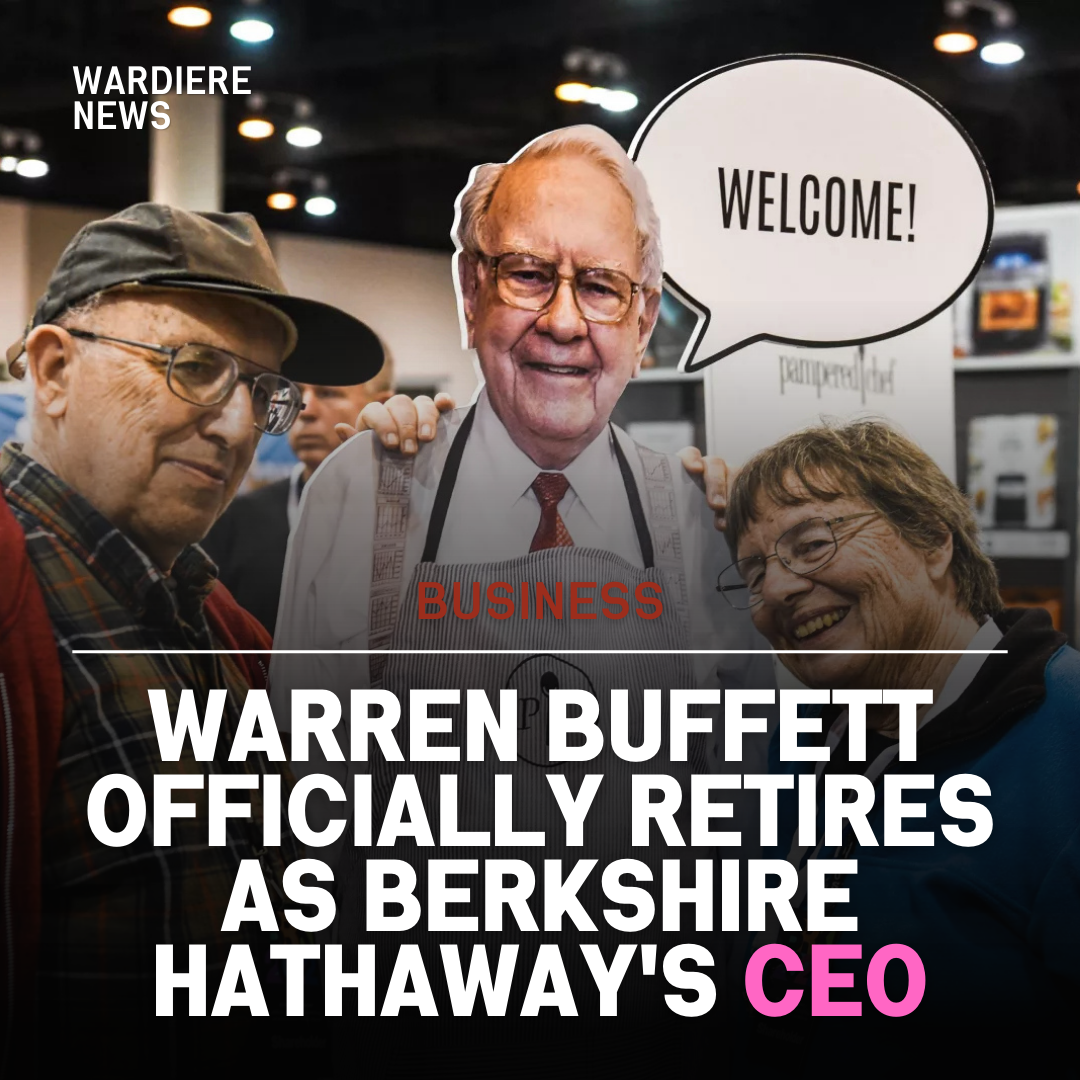
Legendary investor Warren Buffett, widely regarded as the “Oracle of Omaha,” has officially retired as CEO of Berkshire Hathaway in 2026. Buffett’s decades-long leadership transformed a small textile company into a global investment powerhouse, making him one of the most influential figures in the history of finance.
His retirement is more than just a leadership change; it marks the end of an era for investors worldwide. This article explores what Buffett’s retirement means for Berkshire Hathaway, the stock market, and investors, while providing actionable lessons from his legendary career.
Warren Buffett’s retirement is the culmination of a lifetime of investment wisdom. Under his leadership, Berkshire Hathaway grew into a conglomerate with holdings in insurance, railroads, energy, consumer goods, and more.
Key points about Buffett’s retirement:
- Official retirement year: 2026
- Berkshire Hathaway transformation: From textile company to investment giant
- Market implications: Short-term fluctuations expected, but long-term stability remains
- Succession planning: Carefully prepared with top executives ready to lead
Buffett’s unique investment philosophy—centered on value investing, patience, and ethical leadership—will continue to influence investors for decades to come.
Berkshire Hathaway has a well-structured succession plan to ensure continuity and stability.
Greg Abel, a long-time Berkshire executive, will take over as CEO of non-insurance divisions. Abel has a proven track record in energy and utility investments and is expected to maintain Buffett’s principles while introducing modern strategies.
Ajit Jain will continue to oversee Berkshire Hathaway’s insurance business, which remains a core revenue driver. His leadership ensures that Berkshire maintains its strong risk management practices and profitable underwriting.
Berkshire Hathaway’s carefully planned transition aims to instill confidence in investors and the market. By promoting internal executives who understand Buffett’s philosophy, the company minimizes disruption and maintains investor trust.
Buffett’s retirement has significant implications for both the stock market and individual investors.
Short-term market reaction: Historically, leadership changes at major conglomerates can cause temporary volatility. Investors may react emotionally to Buffett’s retirement, leading to fluctuations in Berkshire Hathaway shares.
Long-term outlook: Despite potential short-term swings, Berkshire Hathaway’s diversified portfolio ensures long-term stability. The company’s holdings in insurance, railroads, energy, and consumer products provide steady revenue streams.
Lessons for investors:
- Stick to value investing: Focus on companies with strong fundamentals.
- Diversify: Spread investments across industries to reduce risk.
- Patience pays off: Avoid reacting to market noise.
Berkshire Hathaway holds major investments in some of the world’s largest companies, including Apple, Coca-Cola, American Express, and Bank of America.
Future considerations include:
- Continued investment in tech and green energy sectors
- Focus on long-term growth and stability
- Potential new acquisitions under Greg Abel’s leadership
Investors should monitor these developments to align their portfolios with Berkshire Hathaway’s strategic direction.
Even after retirement, Buffett’s investment principles remain highly relevant.
Patience is key: Buffett’s long-term investment strategy highlights the importance of holding quality assets over decades rather than chasing short-term gains.
Invest in what you understand: Buffett emphasizes investing in businesses you can evaluate and understand, avoiding overly complex or speculative ventures.
Ethical leadership matters: Berkshire Hathaway’s corporate culture prioritizes ethical decision-making, transparency, and long-term thinking.
Continuous learning: Buffett reads extensively and encourages investors to stay informed about industries, markets, and companies they invest in.
Frequently Asked Questions (FAQ)
Q1: When did Warren Buffett retire as CEO?
A1: Warren Buffett officially retired in 2026 after decades of leading Berkshire Hathaway.
Q2: Who is the new CEO of Berkshire Hathaway?
A2: Greg Abel will take over as CEO for non-insurance operations, while Ajit Jain manages insurance divisions.
Q3: Will Buffett sell his shares?
A3: Buffett typically holds long-term positions. Immediate large-scale selling is unlikely, maintaining investor confidence.
Q4: How does Buffett’s retirement affect the stock market?
A4: Short-term fluctuations are expected, but Berkshire Hathaway’s strong fundamentals suggest long-term stability.
Q5: Can investors follow Buffett’s strategies?
A5: Yes, value investing, diversification, and patience remain key principles for successful investing.
Warren Buffett’s retirement marks the end of an era, but his investment philosophy and legacy continue to influence markets worldwide. Investors should focus on long-term growth, diversification, and ethical investing as they navigate the post-Buffett landscape.
Stay updated with financial news, follow Berkshire Hathaway’s future strategies, and apply Buffett’s timeless principles to your own investment portfolio for long-term success.