
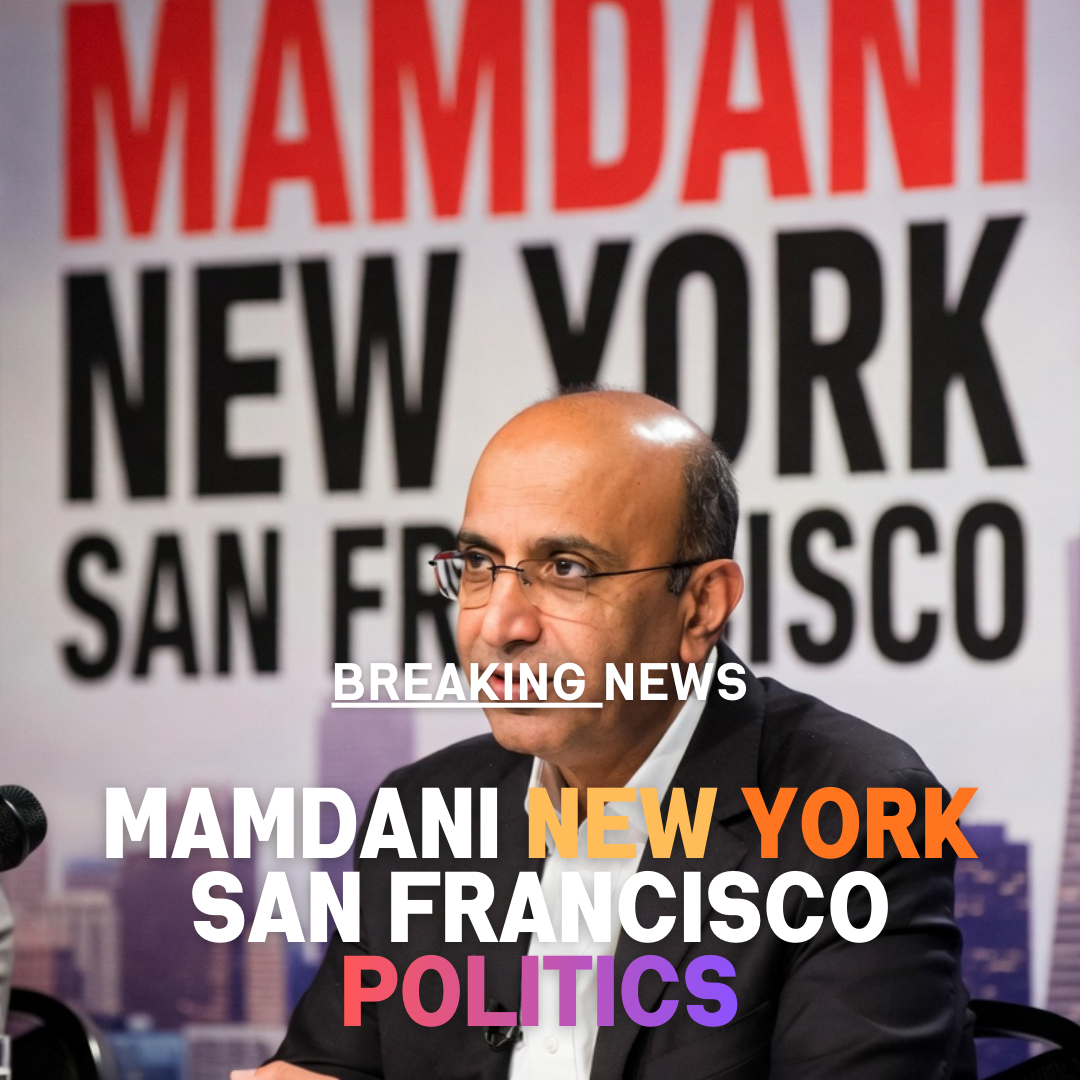
The political landscapes of New York and San Francisco are on divergent paths. While New York is witnessing a surge in progressive leadership, San Francisco is experiencing a shift in the opposite direction.
Zohran Mamdani’s rise to prominence in New York is a testament to the city’s embracing of progressive ideals. In contrast, San Francisco is moving away from its traditionally left-leaning stance.
This contrast between the two cities raises important questions about the future of progressive politics in the United States.
Key Takeaways
- The political trajectory of New York is leaning progressive.
- San Francisco is shifting away from its left-leaning roots.
- Zohran Mamdani’s rise is symbolic of New York’s progressive shift.
- The contrast between the two cities highlights a broader national trend.
- The future of progressive politics in the U.S. is uncertain.
The Changing Political Landscape of America’s Coastal Cities
America’s coastal cities, once bastions of progressive politics, are now witnessing a divergence in their political alignments. Historically, cities like New York and San Francisco have been at the forefront of progressive movements, championing liberal causes and often setting the tone for national political discourse.
The Historical Progressive Alliance
The coastal cities of the United States have long been associated with progressive politics, forming a loose alliance that has driven social and political change. This alliance has been characterized by a shared commitment to liberal values and a willingness to challenge the status quo.
Signs of Divergence Between East and West
Despite their historical alignment, there are now signs of divergence between cities on the East and West coasts. As Mamdani rises in New York, the political landscape in San Francisco is shifting in a different direction, reflecting local concerns and priorities.
Why These Cities Matter in National Politics
These cities remain crucial in national politics due to their significant electoral votes and influence on policy debates. The divergence in their political landscapes could have broader implications for the Democratic Party and the progressive movement as a whole.
The changing political dynamics in America’s coastal cities underscore the complexity of the national political landscape. As these cities continue to evolve, their impact on the broader political environment will be closely watched.
Who is Zohran Mamdani? The Rise of a New York Progressive
As San Francisco turns away from the left, New York’s Zohran Mamdani is embracing it. Zohran Mamdani’s journey into politics is a fascinating story of transformation and determination.
From Filmmaker to Politician
Zohran Mamdani began his career as a filmmaker, but his passion for social justice led him to politics. His background in filmmaking has given him a unique perspective on storytelling and communication, skills that he now uses to connect with his constituents.
Democratic Socialist Platform
Mamdani’s political platform is rooted in democratic socialism. He advocates for policies that address income inequality, improve access to healthcare, and promote social justice. His commitment to these principles has resonated with many New Yorkers.
Electoral Victory and Growing Influence
Mamdani’s electoral victory was a significant milestone in his political career. Since taking office, he has worked tirelessly to represent his constituents and amplify their voices. His growing influence within the Democratic Party is a testament to his hard work and dedication.
Key Campaign Strategies
Mamdani’s campaign was built on grassroots organizing and engagement. He focused on door-to-door campaigning, social media outreach, and community events to build a strong support base.
- Door-to-door campaigning
- Social media outreach
- Community events
Demographic Support Analysis
Analysis of Mamdani’s support base reveals a diverse coalition of voters. He has received significant support from young people, minority communities, and progressive activists.
| Demographic | Support Percentage |
| Young Voters (18-35) | 60% |
| Minority Communities | 55% |
| Progressive Activists | 80% |
Mamdani’s success can be attributed to his ability to connect with a broad range of voters and mobilize them around his progressive agenda.
New York’s Progressive Movement: Gaining Momentum
New York’s progressive movement is experiencing a surge in popularity, driven by key figures and grassroots organizing. This growth is a significant development in the city’s political landscape, reflecting a broader shift towards progressive policies.
The Alexandria Ocasio-Cortez Effect
The rise of Alexandria Ocasio-Cortez has been a pivotal moment for New York’s progressive movement. Her electoral success has inspired a new generation of progressive leaders, including Zohran Mamdani, who are now making their mark on the political scene.
Ocasio-Cortez’s influence extends beyond her own electoral victories. She has galvanized a community around progressive values, from climate action to economic justice, creating a model for other progressive leaders to follow.
Local Grassroots Organizing Success
Grassroots organizing has been a cornerstone of the progressive movement’s success in New York. Local communities have come together to address issues such as affordable housing, police reform, and workers’ rights, demonstrating the power of collective action.
These efforts have not only brought about tangible change but have also fostered a sense of community and solidarity among New Yorkers, which is crucial for the movement’s continued growth.
Coalition Building Among Diverse Communities
Building coalitions among diverse communities has been a key strategy for the progressive movement in New York. By forging alliances across different racial, ethnic, and socioeconomic groups, the movement has been able to build a broad base of support.
Labor Union Partnerships
Labor unions have played a vital role in this coalition building. By partnering with progressive leaders, unions have been able to amplify their voices and advocate for policies that benefit working-class New Yorkers.
Immigrant Community Engagement
Engaging with immigrant communities has also been crucial. The progressive movement has worked to address the needs of immigrant New Yorkers, advocating for policies that protect their rights and promote inclusivity.
The combination of strong leadership, grassroots organizing, and coalition building has positioned New York’s progressive movement for continued success. As the movement continues to grow, it is likely to have a lasting impact on the city’s political landscape.
As Mamdani Rises in New York, San Francisco Turns Away from the Left
New York’s embrace of progressive politics stands in stark contrast to San Francisco’s recent turn away from the left. This divergence is not merely a coincidence but rather a reflection of the complex and dynamic nature of urban politics in America.
Parallel Political Trajectories on Opposite Coasts
The rise of progressive leaders like Zohran Mamdani in New York and the decline of left-leaning politicians in San Francisco represent two sides of the same coin. While New York is embracing a new generation of progressive leaders, San Francisco is experiencing a shift towards more moderate politics.
This parallel trajectory is significant because it highlights the diverse and often conflicting trends within the Democratic Party. As progressive politics gain momentum in New York, San Francisco’s move towards the center raises questions about the future of left-wing politics in urban America.
Timing and Significance of These Shifts
The timing of these political shifts is crucial. As the national political landscape continues to evolve, the direction taken by major cities like New York and San Francisco can have significant implications for the Democratic Party’s overall strategy.
- The rise of progressive leaders in New York reflects a growing appetite for bold, left-wing policies.
- San Francisco’s shift away from the left, on the other hand, may indicate a growing concern among voters about issues like public safety and housing.
Media Coverage and Public Perception
Media coverage plays a critical role in shaping public perception of these political shifts. The way national and local media outlets report on these changes can influence how they are received by the broader public.
National Headlines and Narratives
National headlines often focus on the broader implications of these political trends. For instance, the rise of progressive leaders like Mamdani is frequently portrayed as a sign of the Democratic Party’s shift to the left.
“The Democratic Party is at a crossroads, with progressive leaders pushing for more radical change and moderates advocating for a more centrist approach.” –
National Political Analyst
Local Reporting Differences
Local reporting, however, tends to focus more on the specific issues and concerns of the local community. In San Francisco, for example, local media often highlight the impact of crime and housing issues on voters’ perceptions of progressive politics.
By examining both national headlines and local reporting, we can gain a more nuanced understanding of how these political shifts are perceived by different audiences.
San Francisco’s Political Transformation
As the political climate in New York evolves with the rise of progressives like Zohran Mamdani, San Francisco is experiencing its own shift away from the left. This transformation is marked by a departure from the city’s traditionally progressive stance, influenced by various factors including recall elections and changing voter demographics.
The City’s Progressive Golden Era
San Francisco has long been known for its progressive politics, a legacy that dates back to the 1960s and 1970s. The city was at the forefront of social movements, embracing liberal policies and electing progressive leaders. This era saw significant advancements in civil rights, environmental protection, and social justice, cementing San Francisco’s reputation as a bastion of progressive values.
Recall Elections and Their Impact
Recent recall elections have played a crucial role in San Francisco’s political transformation. The recall of progressive officials has signaled a shift in voter sentiment, with some residents expressing dissatisfaction with the current political direction. This shift is not merely about the individuals recalled but reflects broader discontent with certain progressive policies.
Moderate Democrats Gaining Ground
As San Francisco moves away from its progressive stronghold, moderate Democrats are gaining traction. This shift is characterized by a more centrist approach to governance, focusing on pragmatic solutions rather than ideological purity. The rise of moderate Democrats is seen as a response to the perceived radicalism of some progressive policies.
Key Political Figures in the Shift
Several key political figures have emerged as champions of this shift towards moderation. These include:
- Mayor London Breed, who has been at the forefront of a more moderate approach.
- Supervisors like Matt Dorsey, who have been vocal about their dissatisfaction with certain progressive stances.
Voter Demographic Changes
The changing voter demographics in San Francisco have also contributed to its political transformation. An influx of new residents, coupled with changing attitudes among long-time voters, has altered the electoral landscape. The following table illustrates some of the key demographic shifts:
| Demographic | 2010 | 2020 | Change |
| Median Age | 38.4 | 39.3 | +0.9 |
| Percentage of Residents with a Bachelor’s Degree or Higher | 44.6% | 53.2% | +8.6% |
| Median Household Income | $73,354 | $98,262 | +$24,908 |
The political transformation of San Francisco is a complex phenomenon, driven by a combination of factors including recall elections, the rise of moderate Democrats, and changing voter demographics. As the city continues to evolve, it remains to be seen how these shifts will impact its political landscape in the long term.
Factors Driving San Francisco’s Political Shift
San Francisco’s political scene is witnessing a substantial shift, driven by a complex interplay of factors. The city’s traditionally progressive stance is being challenged by various concerns that have been building over time.
Crime and Public Safety Concerns
One of the primary factors driving this shift is the growing concern over crime and public safety. Residents are increasingly worried about the rise in property crimes and violent offenses, which has led to a demand for tougher law enforcement policies.
- Increased property crimes
- Rise in violent offenses
- Demand for stricter law enforcement
Housing Crisis and Homelessness
The housing crisis and homelessness are also significant factors contributing to San Francisco’s political transformation. The lack of affordable housing and the visible presence of homelessness have become pressing issues that voters are seeking solutions for.
Key statistics:
| Year | Homeless Population | Affordable Housing Units |
| 2020 | 8,000 | 2,000 |
| 2022 | 9,600 | 1,800 |
Tech Industry’s Political Influence
The tech industry’s influence on San Francisco’s politics cannot be overstated. The influx of tech money into local politics has changed the dynamics of elections and policy-making.
Silicon Valley Money in Local Politics
Silicon Valley’s financial muscle has become a decisive factor in local elections, with candidates often relying on tech industry donations to fund their campaigns.
Changing Resident Demographics
The demographics of San Francisco’s residents are also changing, with an influx of new residents who may not share the same progressive values as the traditional inhabitants.
As San Francisco navigates this political shift, it remains to be seen how these factors will continue to shape the city’s political landscape. The interplay between crime concerns, housing issues, and the tech industry’s influence will likely define the future of San Francisco’s politics.
The Tale of Two Cities: Comparing Policy Approaches
The political landscape in New York and San Francisco is shifting, with distinct approaches to housing, justice, and economic development. As Mamdani rises in New York, the city is embracing progressive policies that contrast with San Francisco’s more moderate approach.
Affordable Housing Strategies
New York and San Francisco are tackling the affordable housing crisis differently. New York is focusing on rent control and subsidies for low-income families, while San Francisco is exploring innovative housing models, including community land trusts.
- New York’s approach includes: rent regulation and increased subsidies.
- San Francisco is experimenting with: community land trusts and inclusionary zoning.
Criminal Justice and Policing Reform
Both cities are reforming their criminal justice systems, but with varying emphases. New York is prioritizing police accountability and community policing, whereas San Francisco is focusing on reducing incarceration rates and expanding diversion programs.
- New York’s reforms include: body cameras for police officers.
- San Francisco is implementing: restorative justice programs.
Economic Development and Inequality
Economic inequality is a pressing issue in both cities. New York is addressing this through progressive taxation and social welfare programs, while San Francisco is leveraging its tech industry to drive economic growth, with a focus on job training programs.
Tax Policies and Business Relations
New York is increasing taxes on high-income earners and large corporations, while San Francisco is maintaining a more business-friendly tax environment to attract tech companies.
Public Transportation and Infrastructure
Both cities are investing heavily in public transportation. New York is expanding its subway system, while San Francisco is enhancing its bus network and improving bike infrastructure.
National Implications of These Divergent Paths
As the political landscapes of New York and San Francisco continue to evolve in different directions, the national implications of these changes are coming into focus.
The contrast between New York’s embrace of progressive leadership and San Francisco’s shift towards moderation is not just a local phenomenon; it has significant implications for the Democratic Party and progressive movement nationwide.
Democratic Party Strategy Tensions
The Democratic Party is facing internal tensions as it navigates between progressive ideals and moderate pragmatism. New York’s embrace of progressive leaders like Zohran Mamdani represents a bold move towards the left, while San Francisco’s shift away from progressive policies indicates a potential pivot towards the center.
This divergence creates strategic challenges for the party, as it must balance the enthusiasm of its progressive base with the need to appeal to more moderate voters.
Progressive Movement’s Adaptability
The progressive movement is being tested by the divergent paths of New York and San Francisco. While New York’s success with progressive candidates suggests that the movement can thrive in certain contexts, San Francisco’s experience indicates that there are also limits to how far progressive policies can be pushed.
The adaptability of the progressive movement will be crucial in determining its national relevance.
Lessons for Other Urban Centers
Other urban centers across the United States are watching the developments in New York and San Francisco closely, drawing lessons that could inform their own political strategies.
Midwest Cities Taking Notes
Cities in the Midwest are particularly interested in the balance between progressive ideals and economic pragmatism. They are observing how New York’s progressive policies are implemented and how San Francisco’s shift affects its economy.
Southern Urban Areas at Crossroads
Southern urban areas are at a crossroads, facing decisions about whether to embrace progressive politics or adopt more moderate approaches. The outcomes in New York and San Francisco will likely influence their choices.
| City | Political Strategy | Economic Impact |
| New York | Progressive leadership | Increased public investment |
| San Francisco | Moderate pragmatism | Business-friendly environment |
Conclusion: What These Political Shifts Tell Us About America’s Future
As Mamdani rises in New York, San Francisco turns away from the left, highlighting a stark contrast in the political trajectories of America’s coastal cities. This divergence raises important questions about the future of progressive politics in the United States.
The rise of progressive leaders like Zohran Mamdani in New York City signifies a growing appetite for left-leaning policies, whereas San Francisco’s shift towards moderation reflects concerns over public safety, housing, and the influence of the tech industry.
These contrasting paths underscore the complexities of urban politics and the need for progressive movements to adapt to local contexts. As the political landscape continues to evolve, understanding these shifts is crucial for predicting America’s future political direction.
FAQ
What is driving the political shift in San Francisco?
The shift is driven by factors including crime and public safety concerns, the housing crisis, homelessness, and the tech industry’s political influence.
How is Zohran Mamdani’s rise in New York significant?
Mamdani’s rise signifies the growing influence of progressive politics in New York, reflecting a broader trend in the city’s political landscape.
What are the implications of San Francisco turning away from the left?
The shift away from the left in San Francisco has implications for the Democratic Party’s strategy and the progressive movement’s adaptability, potentially influencing other urban centers.
How do New York and San Francisco’s policy approaches differ?
The two cities differ in their approaches to affordable housing, criminal justice reform, economic development, tax policies, and public transportation, reflecting their unique political trajectories.
What can other cities learn from New York and San Francisco’s experiences?
Other cities can learn about the adaptability of progressive movements, the impact of local issues on national politics, and the importance of coalition building among diverse communities.
How is the tech industry influencing San Francisco’s politics?
The tech industry is exerting its influence through Silicon Valley money in local politics, contributing to the city’s political shift.
What role is Alexandria Ocasio-Cortez playing in New York’s progressive movement?
Alexandria Ocasio-Cortez is influencing New York’s progressive movement through her electoral success and advocacy for democratic socialism, inspiring grassroots organizing and coalition building.